
So Close and Yet So Far
The Korean island of Jeju is the product of ancient volcanic events that racked the earth’s mantle under the temperate waves of the Yellow Sea about two million years ago. Getting there from Hong Kong this past May felt like it took almost as long, after Covid caused the cancellation of all direct flights between the two island destinations. As far as I’m aware, this continues to be the case, making what was previously a three-hour flight into a nearly 10-hour journey, and this is only counting airport to airport. Our total travel time that first day was closer to 14.5 hours from the time we left our Hong Kong apartment to the time we opened the door to our hotel room in Jeju.
This involved taking a taxi from our home to the train station, riding the Airport Express train to Hong Kong International Airport, taking an international flight from HKIA to Incheon International Airport, catching an inter-airport train from Incheon to Gimpo International Airport, taking a domestic flight from Gimpo to Jeju International Airport, riding a shuttle bus to the car rental office, and then driving across the island to our hotel. All four of us were also still recovering from various illnesses, and in Olive’s case she was probably still very much on the mend.
Why did we undertake this journey, this brutal test of our collective willpower, with two young kids in tow no less? The answer: a chance for Ashley to attend the wedding of an old friend, one that she had kept in touch with since her international high school days in Hong Kong. Her graduating class, like in so many other international schools across Hong Kong and Asia, scattered to the four winds as classmates took off to Europe, North America, and other Asian locales in pursuit of higher education. This particular wedding involved the last among her close circle of high school friends to get married, carrying with it a high likelihood that this would be one of the best and last chances for Ashley to reunite with this crowd.
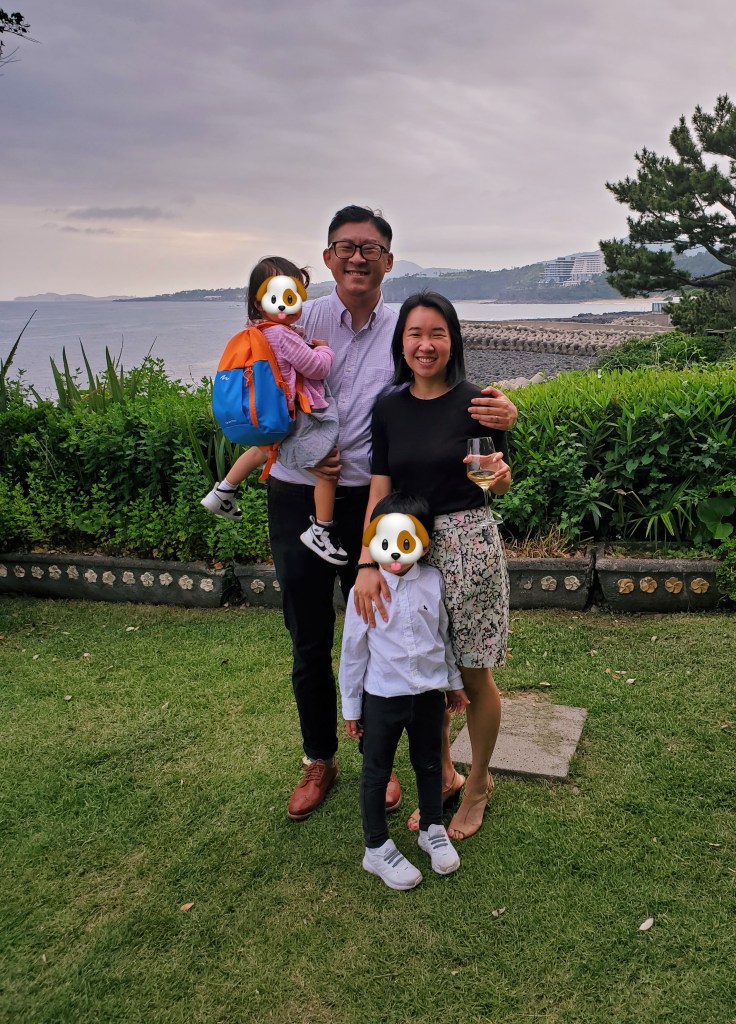
A different question then – was it worth it? I’d say yes. I would probably not do it again as long as direct flights remain unavailable, but yes, it was worth it to see Ashley reconnect with old friends, some of whom she had not seen since graduating high school. And it was worth it to see the beauty of Jeju in person – the lush greenery, the dramatic coastal geography, and the mist-covered, ancient volcanic hills. I’ve been to other stunning islands in this general (very general) part of Asia like Okinawa, Taiwan, the Philippines, Bali, and the numerous sunny resort islands of Thailand and Malaysia, and Jeju is unlike them all. We only had a few days to see the sights in between the wedding and the kids’ schedules, but I saw enough to come away impressed.
Chasing Waterfalls
We stayed on the south side of Jeju Island in a place called the Jungmun Tourist Complex – basically a bunch of hotels and resorts located conveniently close to one another. That also placed us pretty close to some of Jeju’s famed waterfalls. The island’s violent geographic past and hilly landscape makes for an interesting array of falls, particularly on its southern coast. We had just about enough time on our first afternoon (the morning was spent recovering from the long travel day the day before) to see two of them.
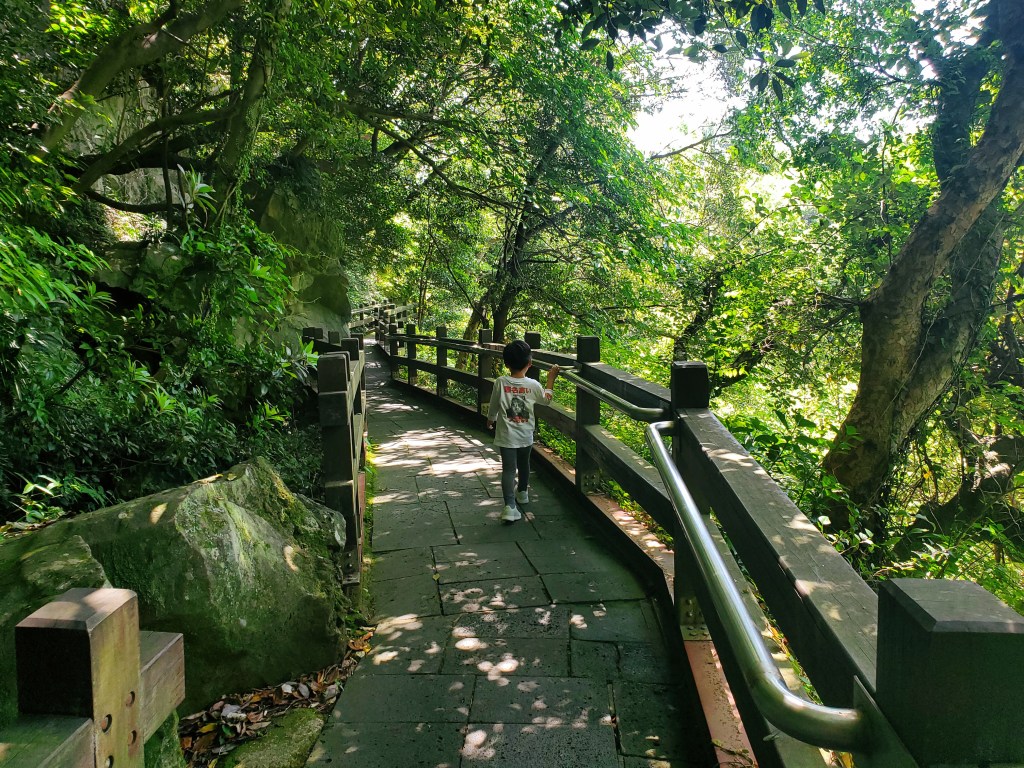
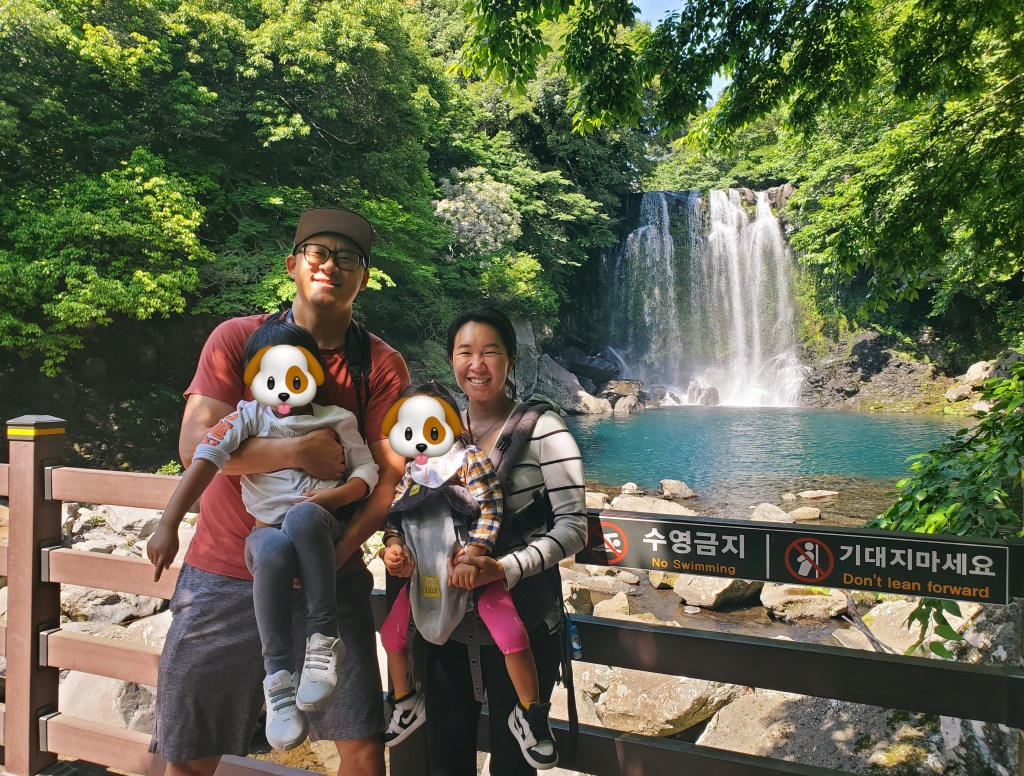
Cheonjeyeon Waterfalls is a nice little hike a short drive from the tourist complex. The name of the waterfalls translates to ‘pond of the emperor of heaven‘, referring to a local legend about seven heavenly nymphs and their bathing habits – no emperors or nymphs were seen that day, though. It’s broken up into three sections along a forest path, offering plenty of shade and shelter from the sun. The day we went the weather was immaculate though.
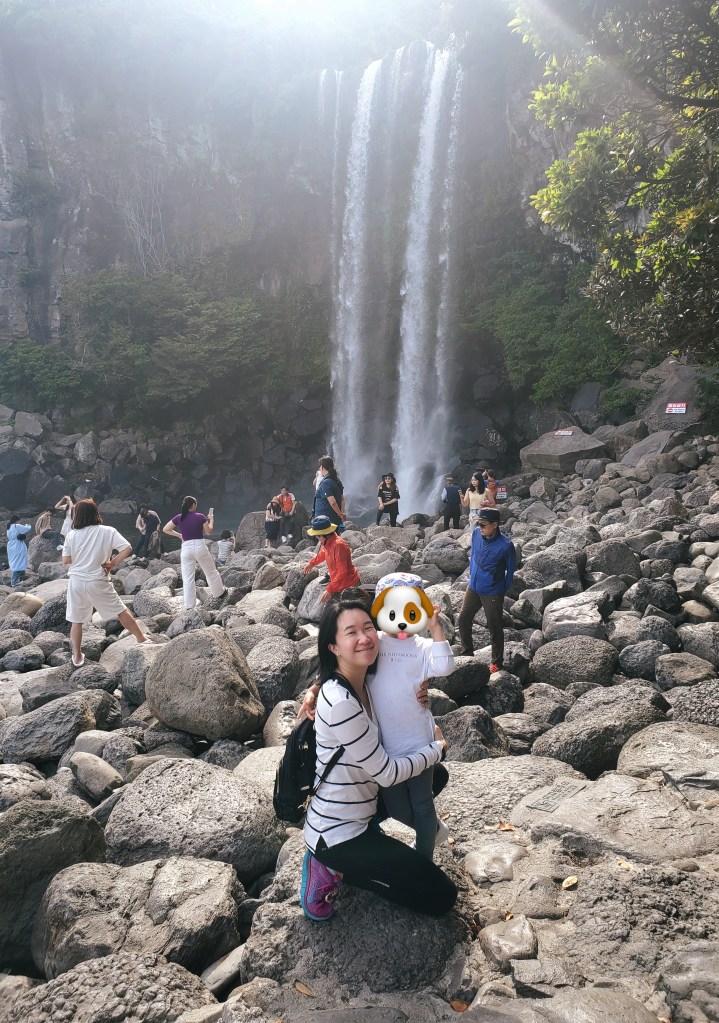
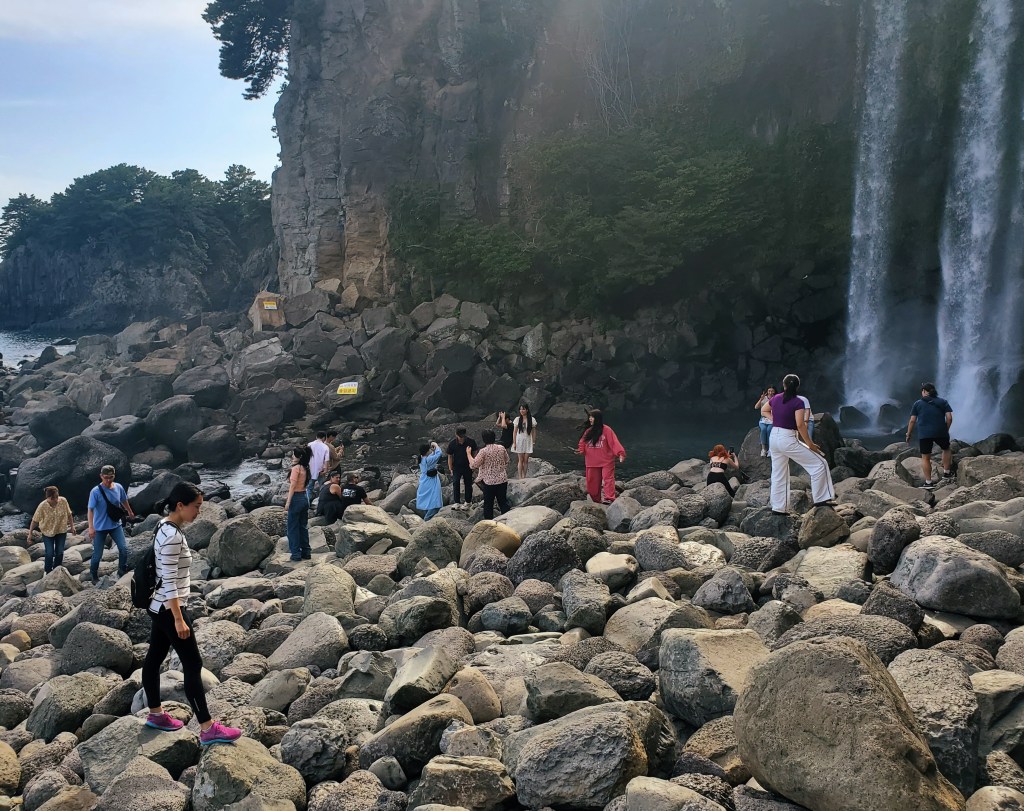
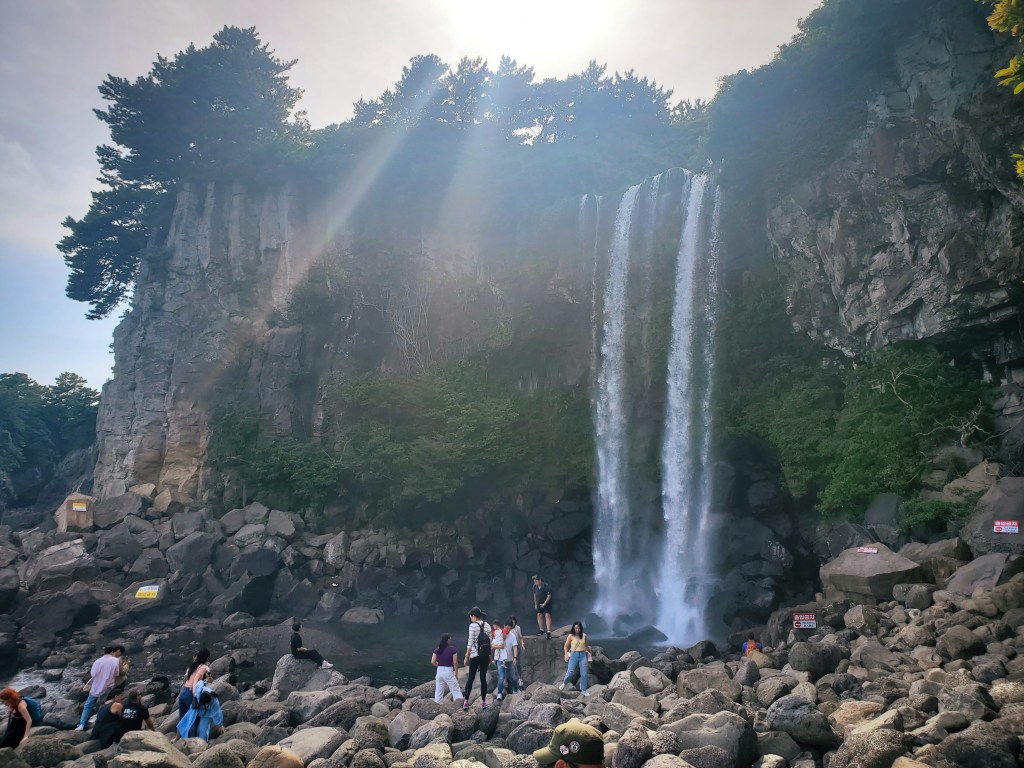
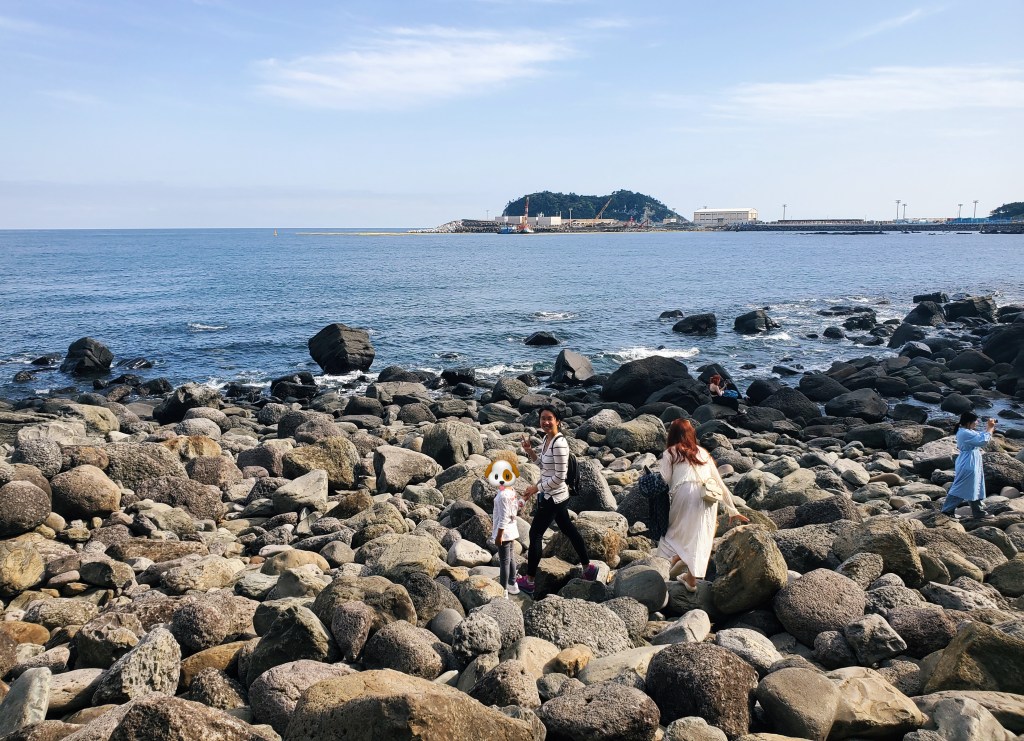
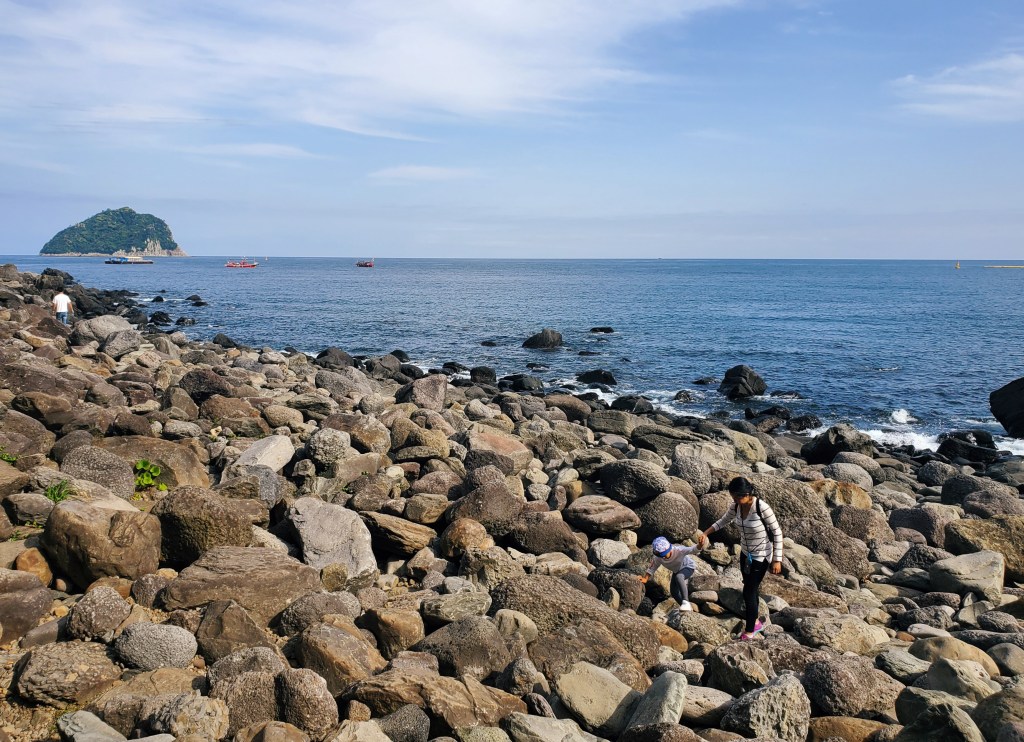
The Jeongbang Waterfall is a little bit further east along the south side, where it rushes off the coastal cliffs and plunges into the sea. The waters are imbued with the spirit of a resident dragon, said to have the power to cure diseases and end droughts. Access to the waterfall is via a long staircase, with the area around the waterfall made up of large stones that can be tricky to navigate for those with shorter legs.
Both waterfalls are included among Jeju’s three famous waterfalls. They were nice, but I think I appreciated just being able to do a bit of hiking in the cooler spring weather. So often in Hong Kong, which has plenty of amazing hiking trails snaking throughout its hills and forests, a walk in nature is accompanied by buckets of sweat and a humidity that can make it hard to breathe at times. Growing up in Canada I associate going into the woods with cool breezes and restful spaces, so it’s weird for me to be walking amongst leafy, green trees in Hong Kong and feeling the full weight of the city’s tropical climate. This part of Jeju felt like a return to normality.






Yongmeori Coast
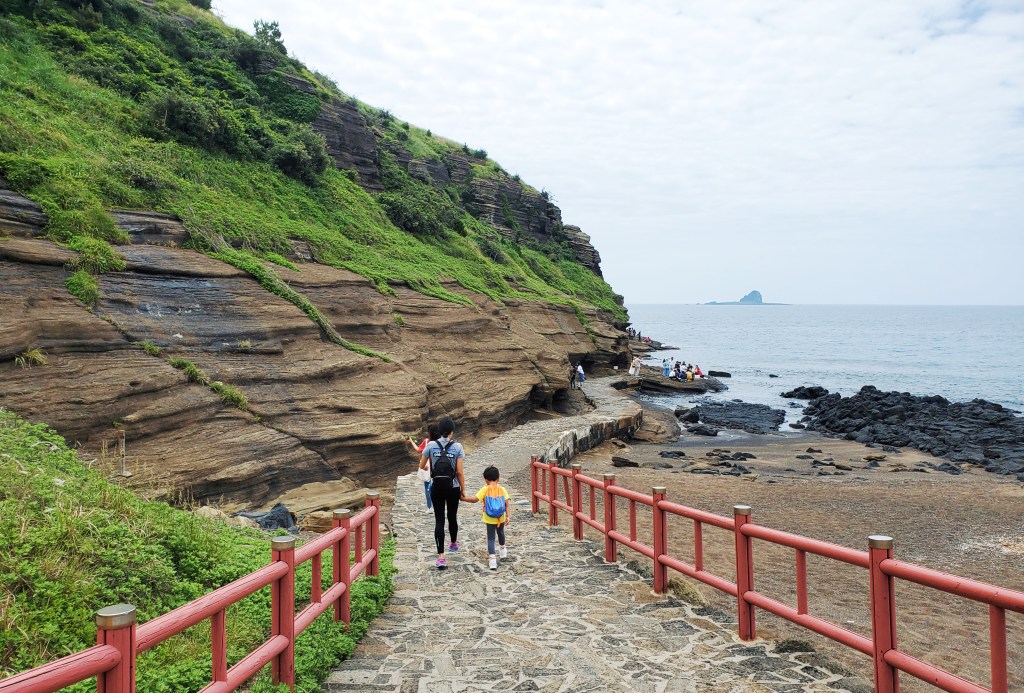
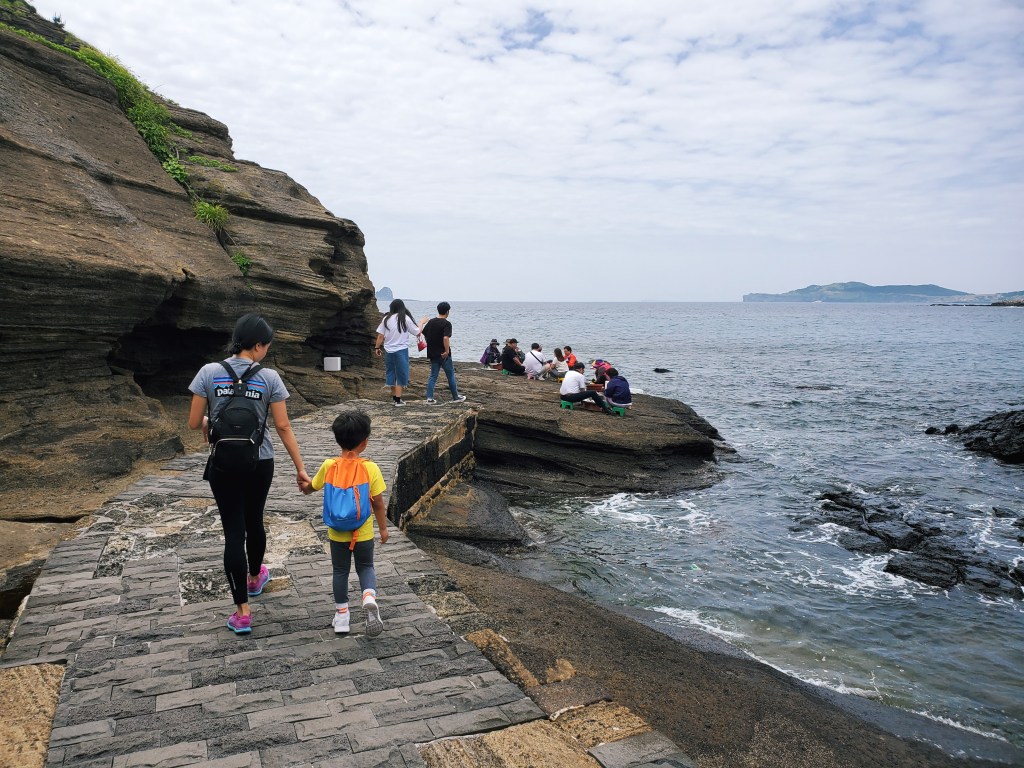
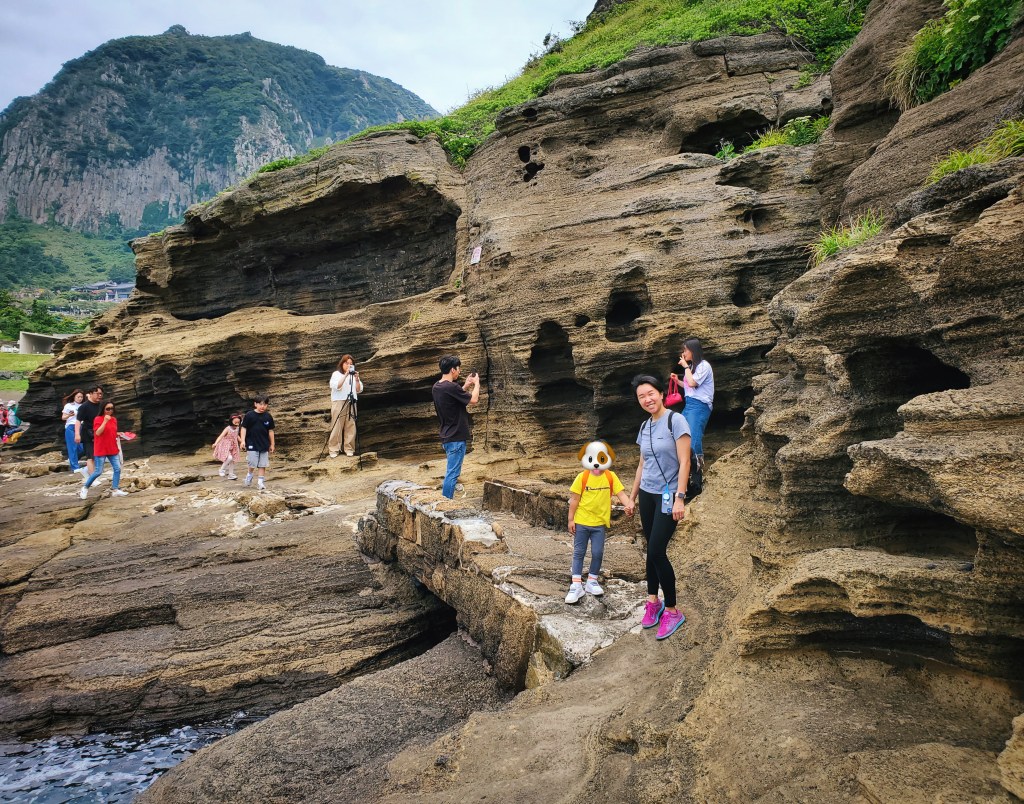
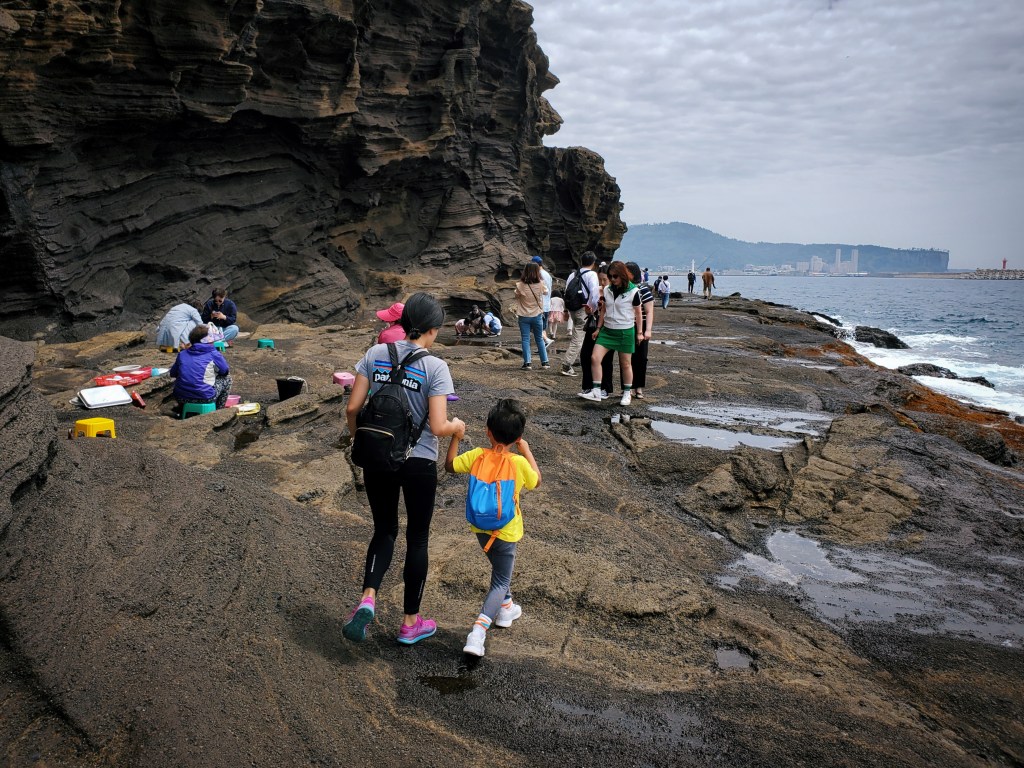
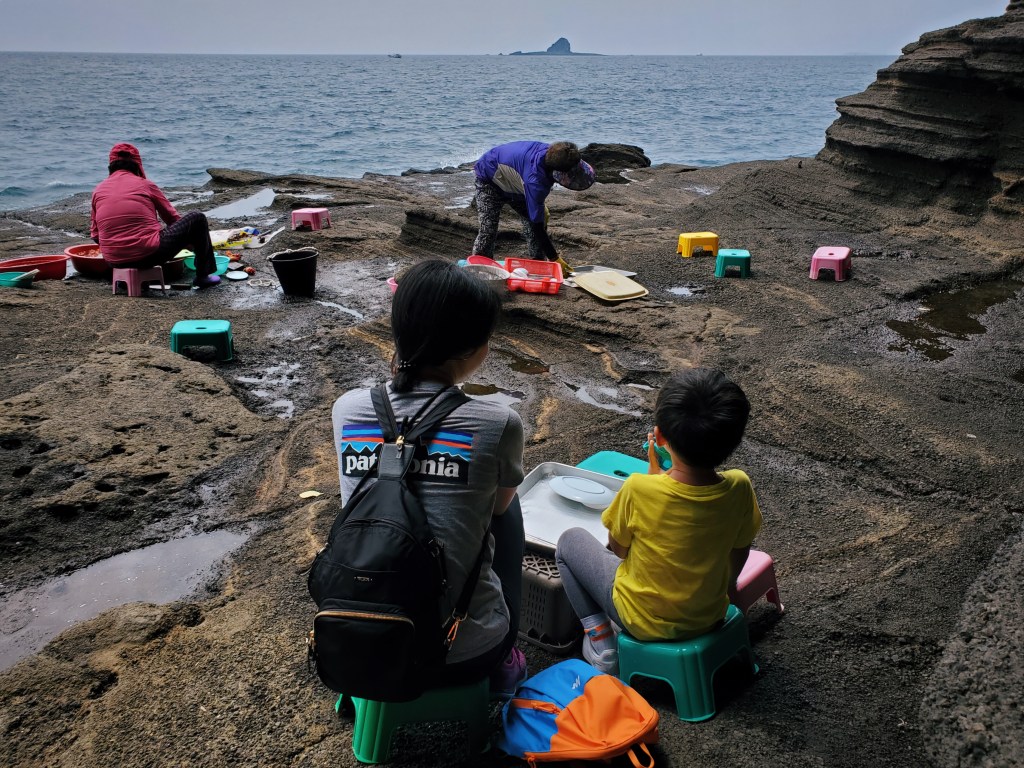
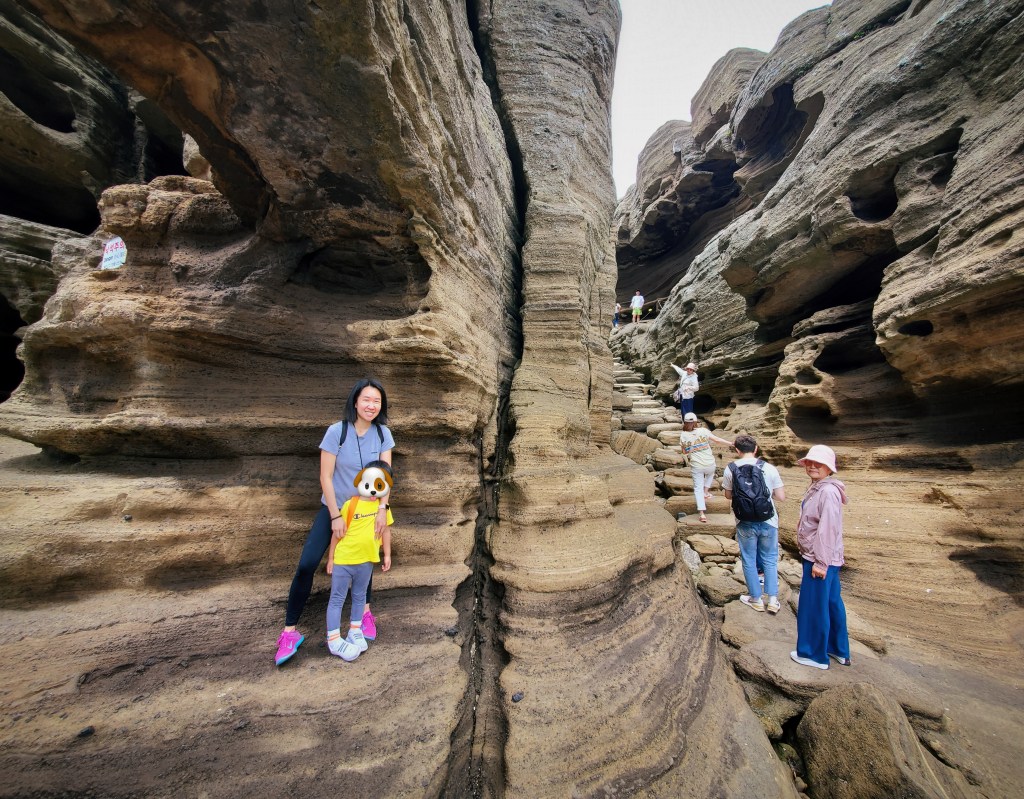
Sanbangsan is a massive lava rock mountain rising above the lattice of farm fields and villages on the southwestern corner of Jeju Island. Where it then continues on into the ocean and under the waves is a stretch of beautifully-eroded sandstone cliffs and brilliant greenery called the Yongmeori Coast. The walk along the water, across massive sandstone slabs and tide pools and in the shadows of the coast’s gorgeous geometries, crouching on tiny plastic stools and chowing down on fresh seafood, was probably my favourite experience on Jeju.
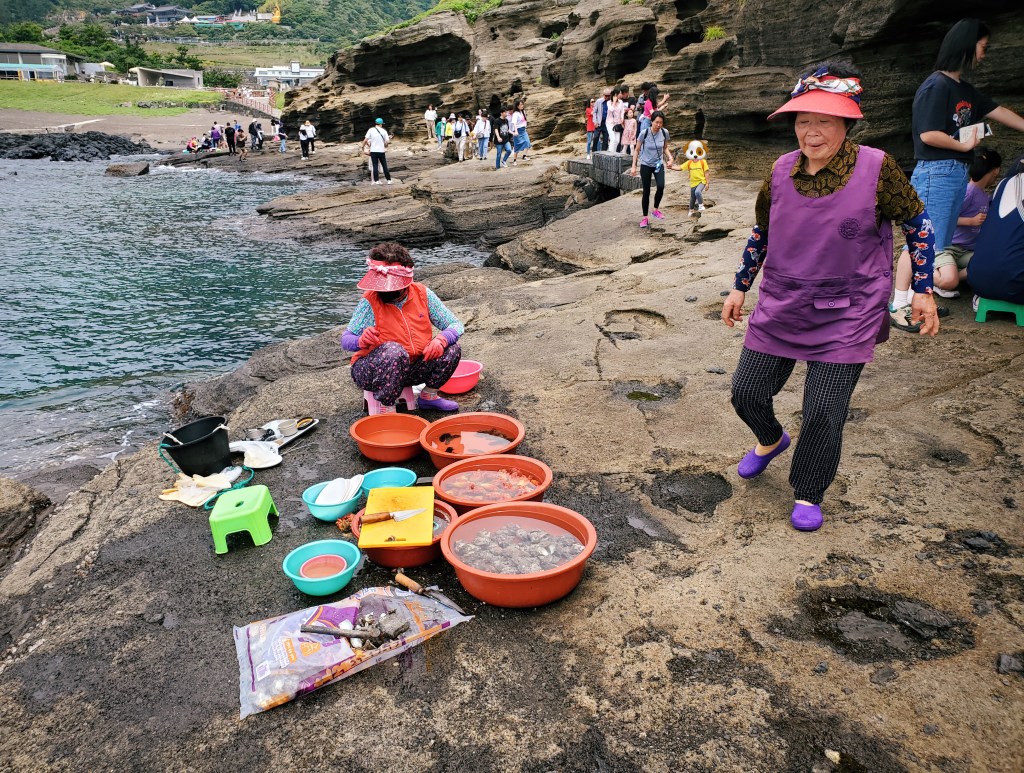
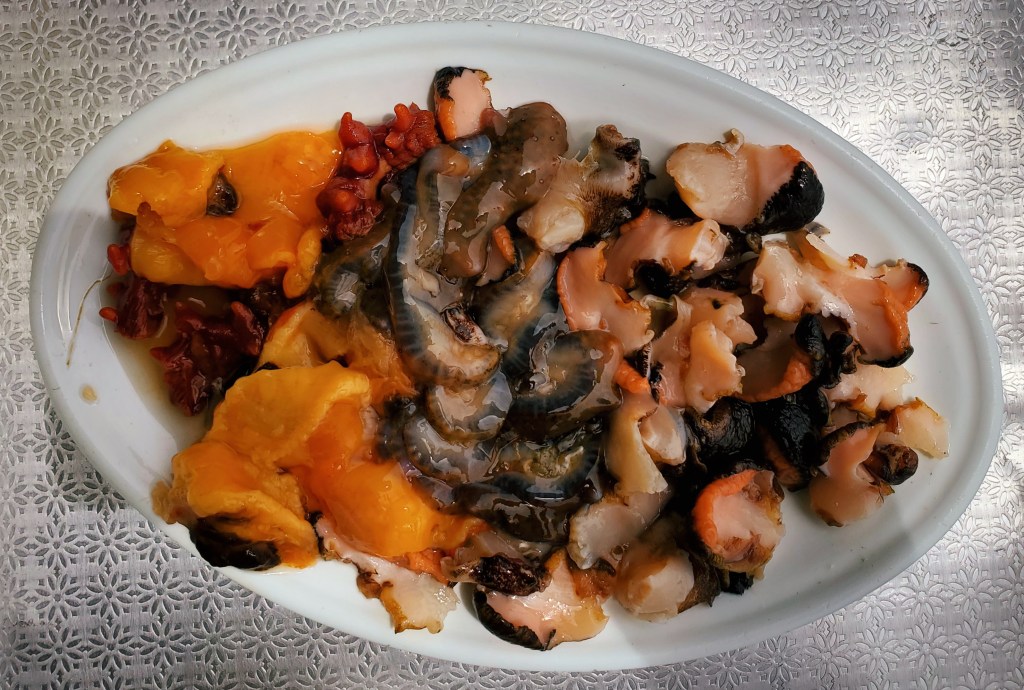
It took close to two hours to complete the full circuit, but that was us walking at a leisurely pace. We also stopped for a snack break with one of the groups of haenyeo, Jeju’s famous women sea divers, who regulatory set up shop along the seaside trail selling their freshly caught seafood. They sit on the side of the path with basins full of various shellfish and sea cucumbers, ready to start slicing and dicing up a plate of raw sea creatures should you pull up a seat at one of the small tables. The food was tasty, especially with the gochujang and vinegar sauce that comes with each order, but it also was a little more than I expected in terms of cost. Quite an interesting experience, though, to sit under dramatic oceanside cliffs, eating the bounty of the sea.








Hallasan – Eoseungsaengak Trail
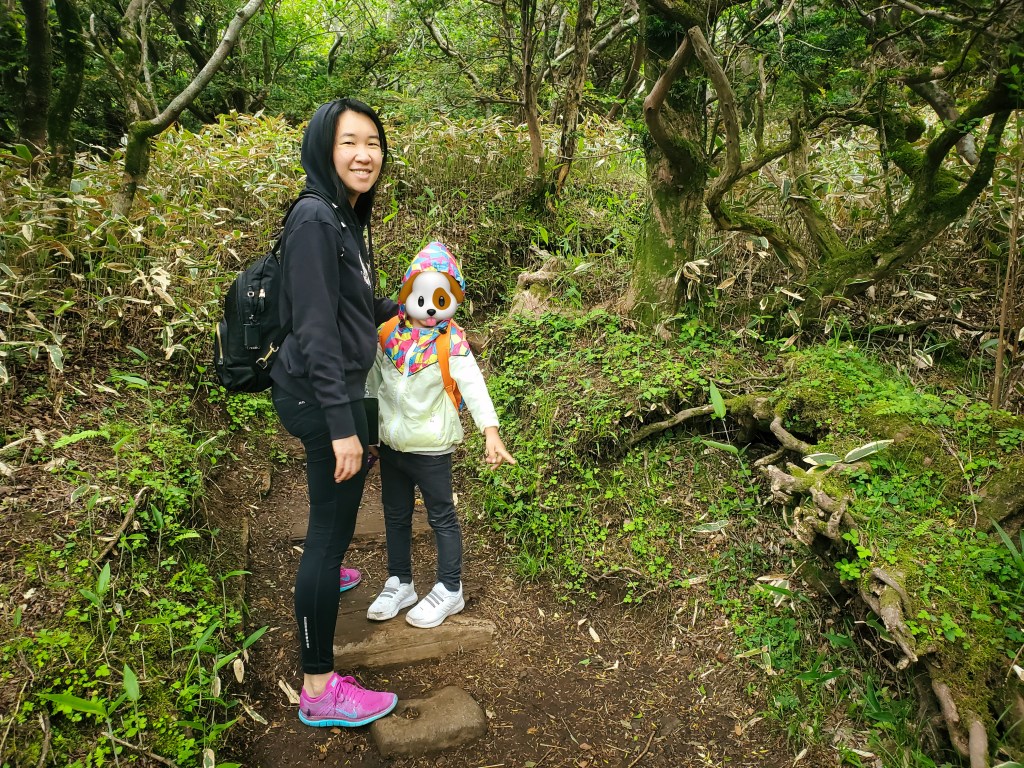
On our last day, we had originally planned to drive over to the eastern side of Jeju to check out some of the sights, especially the dramatic promontory of Seongsan Ilchulbong. We had a later start to our day than expected, however, so we decided to drive up to do some hiking on the slopes of Hallasan instead, the massive ancient volcano that dominates Jeju’s landscape and also South Korea’s tallest peak. More specifically, we headed to the Eoseungsaengak Trail, the shortest and easiest trek on Hallasan.
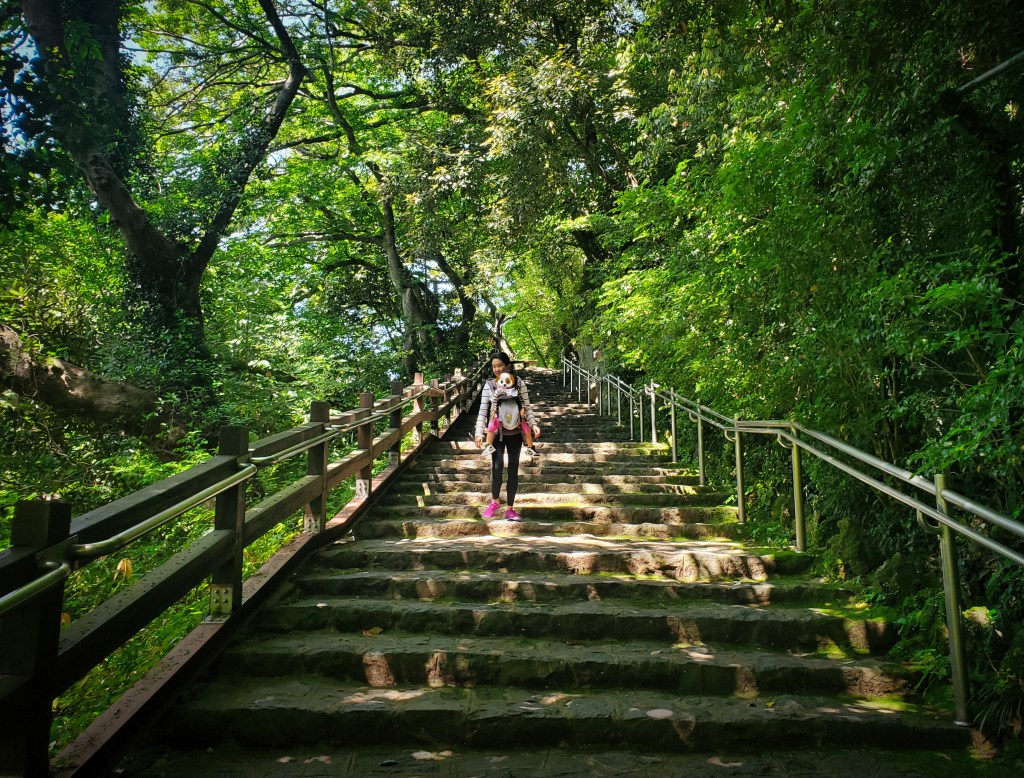
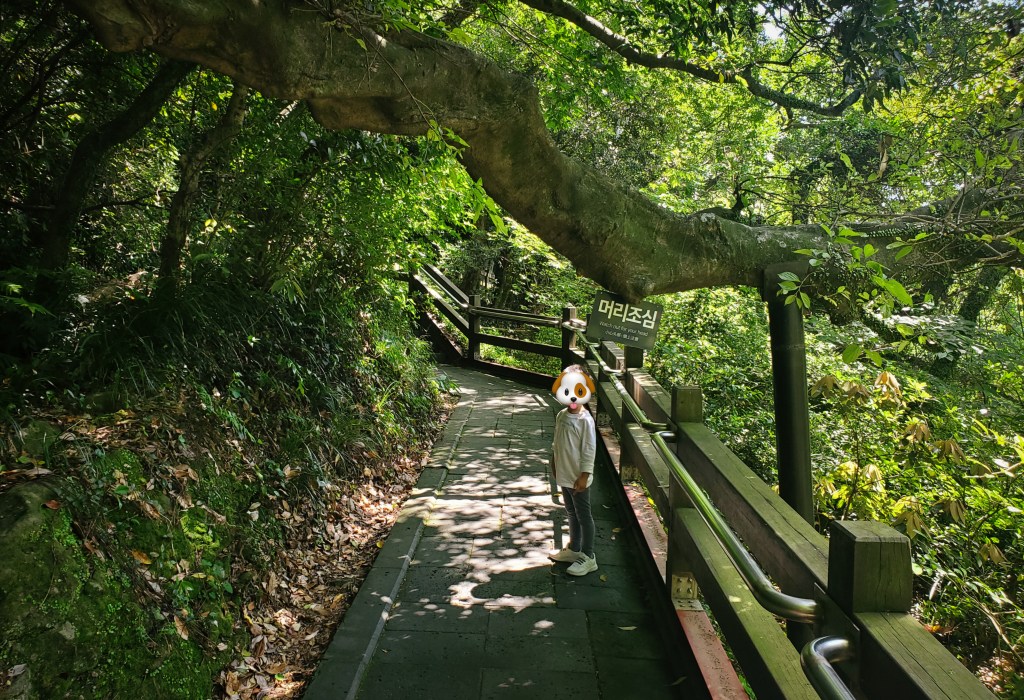
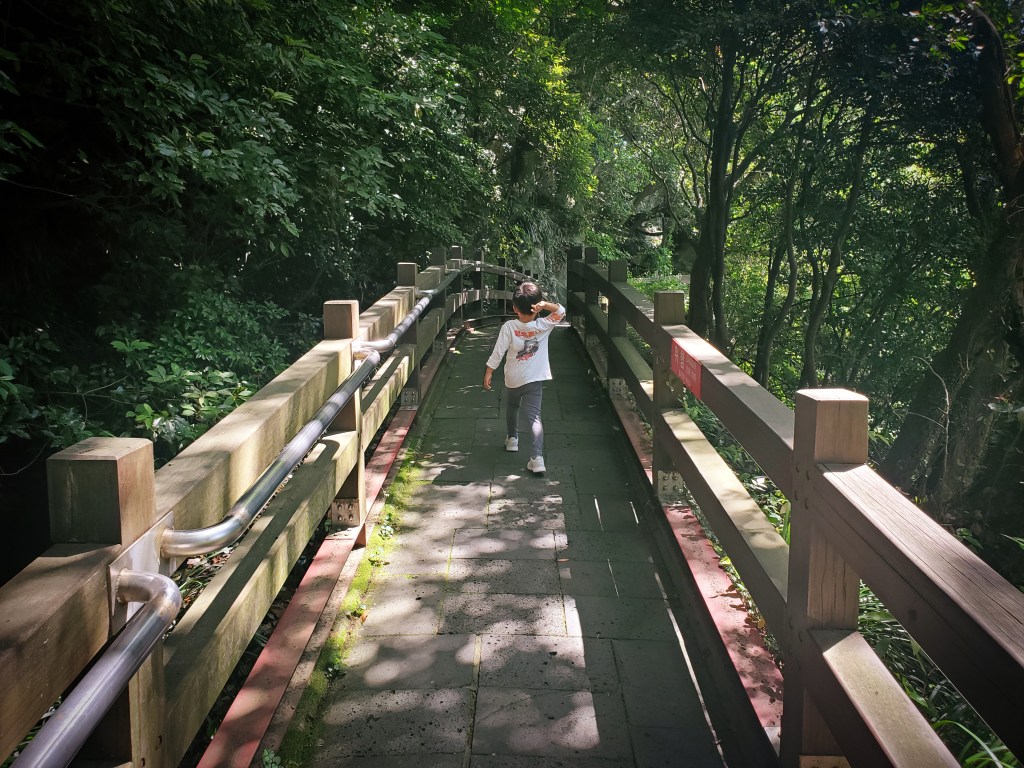
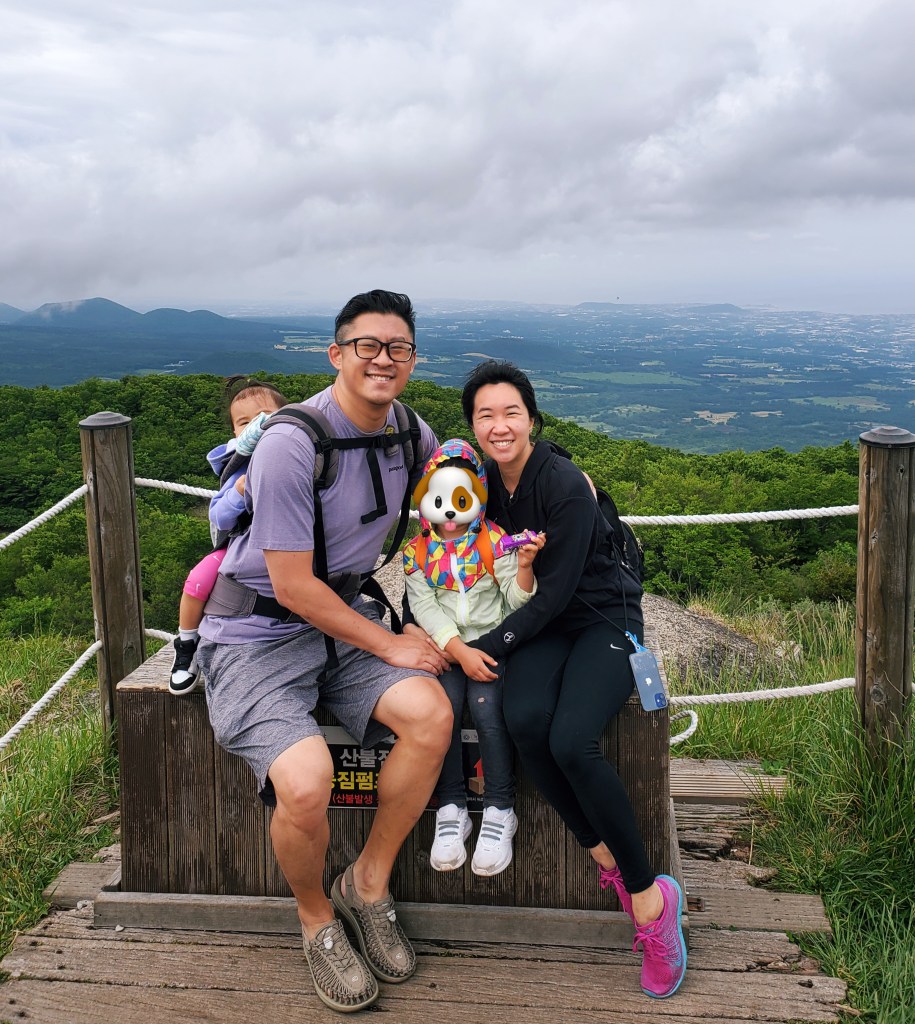
There was a light rain that morning, but after waiting it out for a bit we headed on up the trail with Olive strapped to my back and Miles happy to make his own way up the mountain path. He actually ended up hiking the entire way on his own, chattering about the rocks and trees as we climbed stair after stair after stair. After about 30 minutes of not-very-taxing exercise, we were rewarded at the top of the trails with some great views of Jeju’s lush landscape spread out before us. We took a few family photos and then headed back down to the car park.
We’d need the rest of our last day to mentally prepare ourselves for the long journey back to Hong Kong.






 erniegoes