
City of memory
On August 6, 1945, the Japanese port city of Hiroshima was subjected to the first atomic bombing in world history, marking one of the final chapters of the Second World War. One could make the case that Hiroshima has lived in the shadow of that event ever since.
In late April, Ashley and I, the kids, and six other friends flew in to Hiroshima to mark the 40th birthdays of two of our traveling party. There was no particular reason for choosing that location, only that we all just wanted to go to Japan again and none of us had ever been to this part of the country before. All we knew about the city was its wartime past, but what we found was an utterly pleasant and walkable town, worlds away from the megacities to the east – Tokyo and Osaka.
Reckoning with the city’s collective trauma from decades ago is part of the invitation of Hiroshima. That this modern, green metropolis spanning the Ota River delta stands on ground that was once hell on earth nearly eighty years ago is testament to the vision of its post-war citizens to leave a lasting message to the rest of the world – Hiroshima was designated a City of Peace by Japanese parliament in 1949, and the Hiroshima Peace Memorial Park design was finalised that same year.
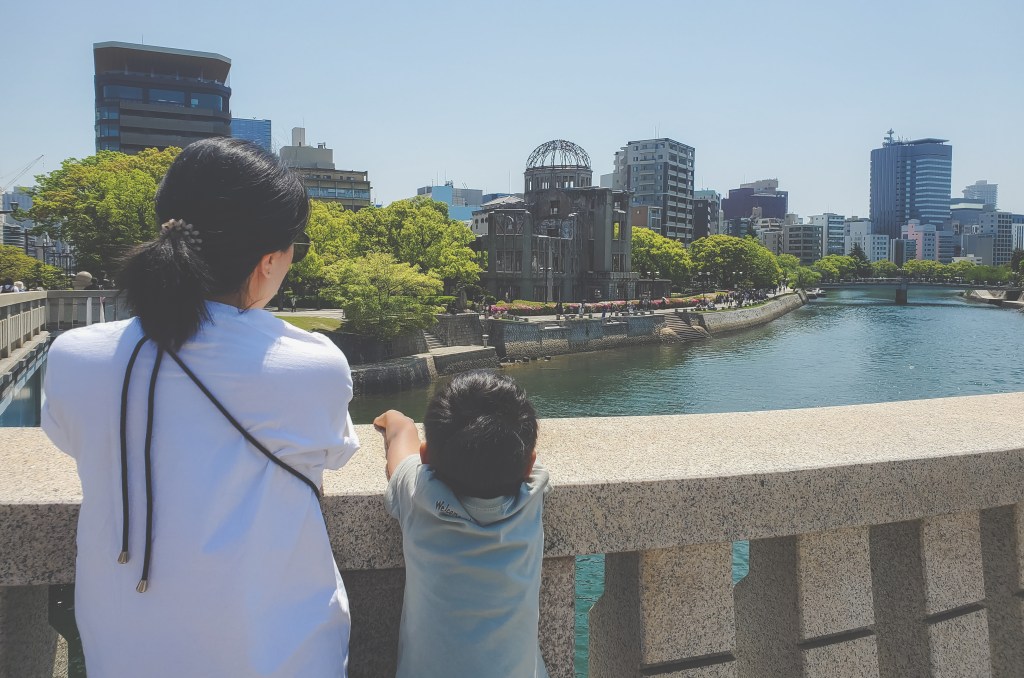
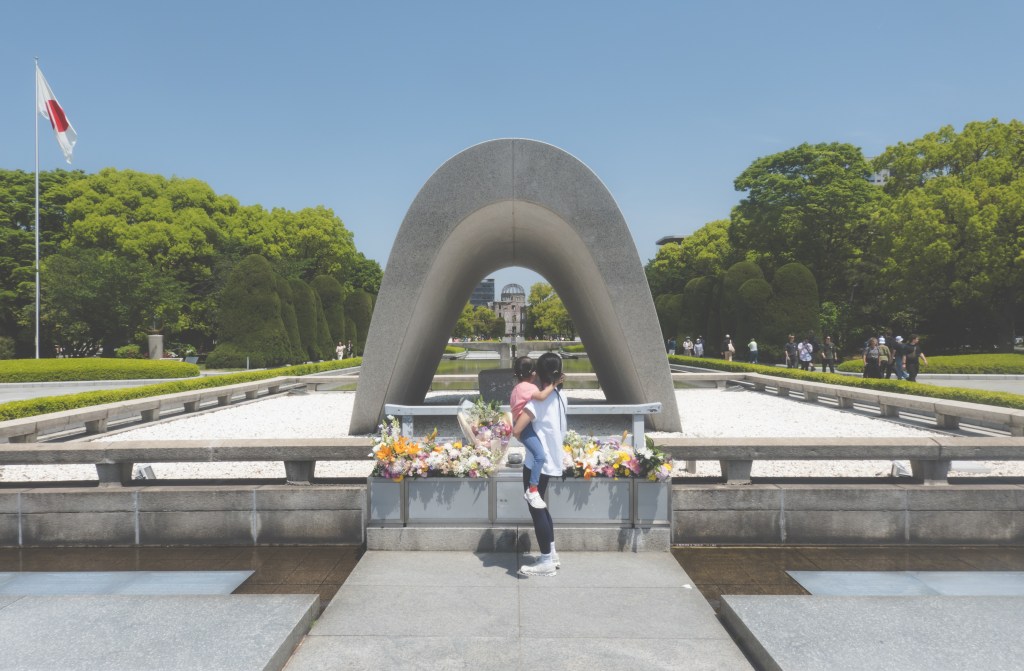
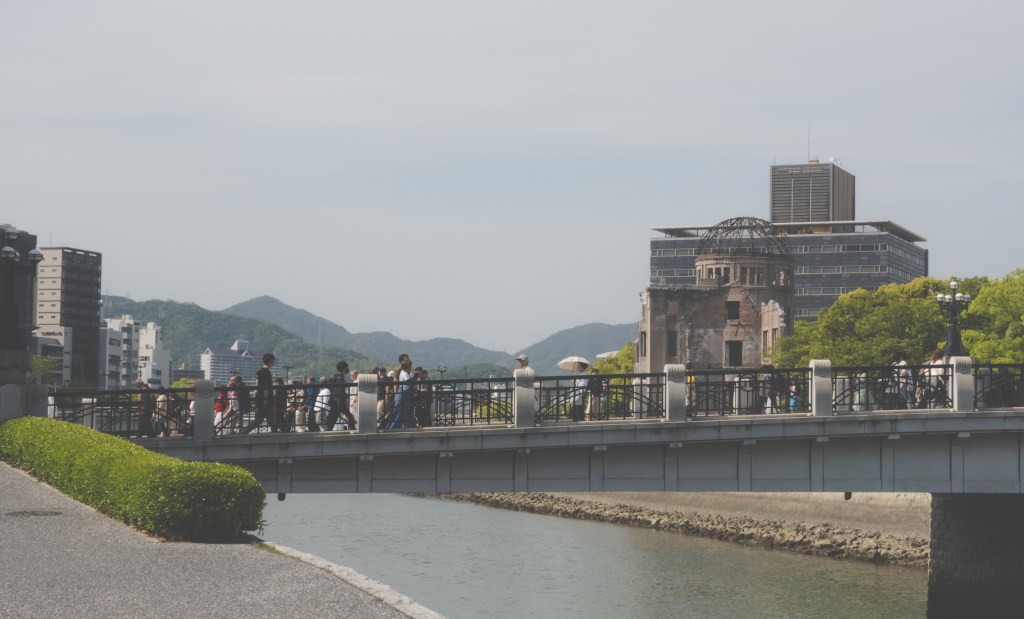
The famous Hiroshima Peace Memorial, also known as the Atomic Bomb Dome and formerly known as the Hiroshima Prefectural Industrial Promotion Hall, occupies a key site along the river. Taken together with the nearby Children’s Peace Monument, the Hiroshima Peace Memorial Museum, the Hiroshima Peace Memorial Hall, the Memorial Cenotaph, and the Peace Flame, the park’s geography of meaning is geared towards the memory of the bombing and to express a keen desire for a nuclear bomb-free world.





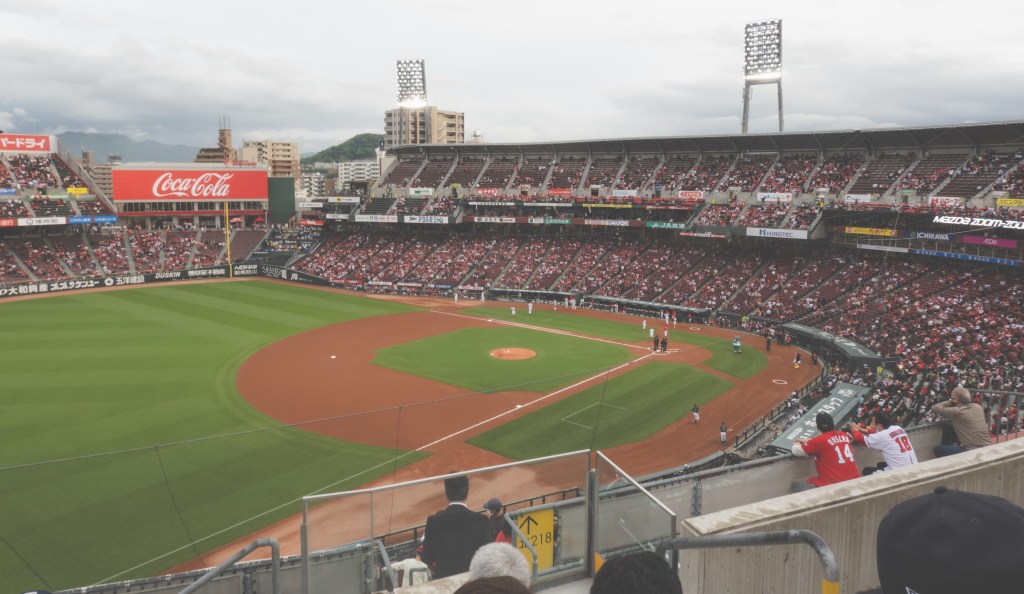
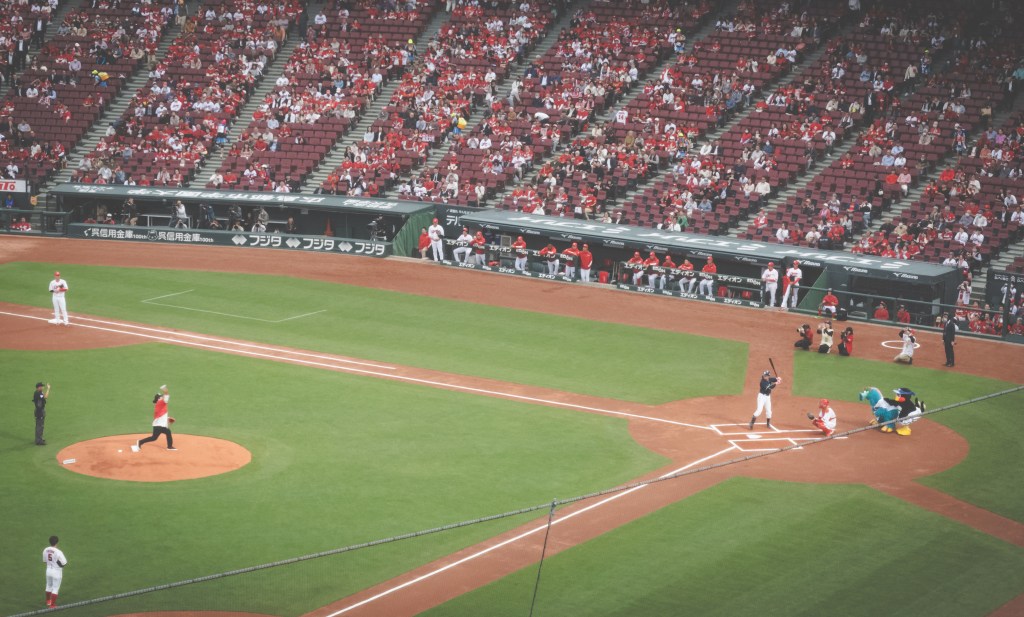
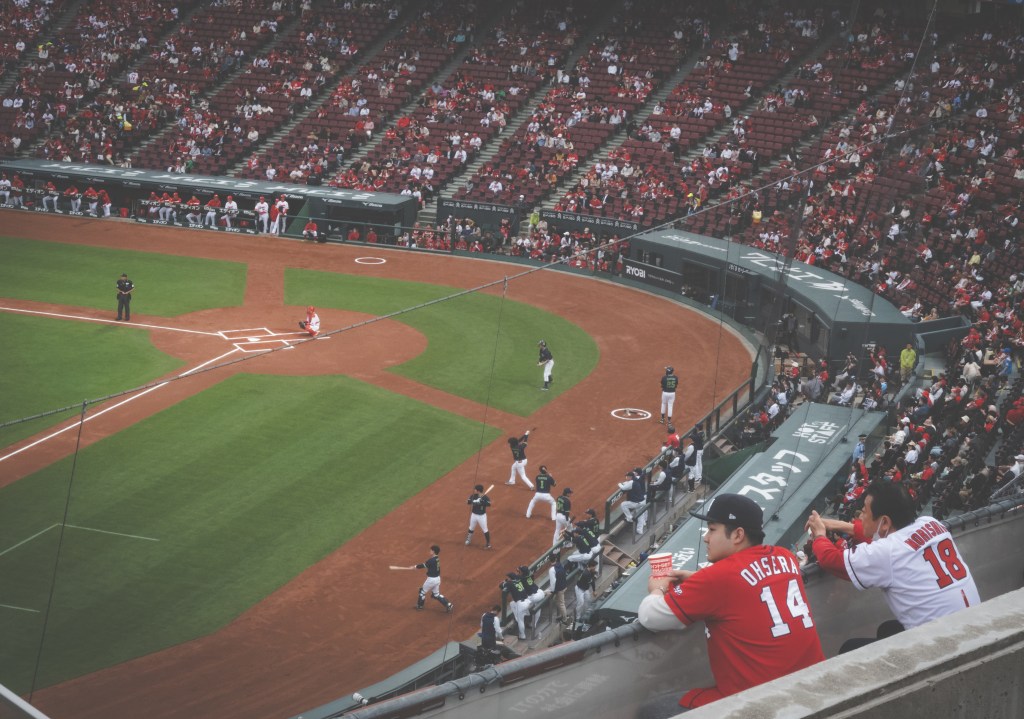
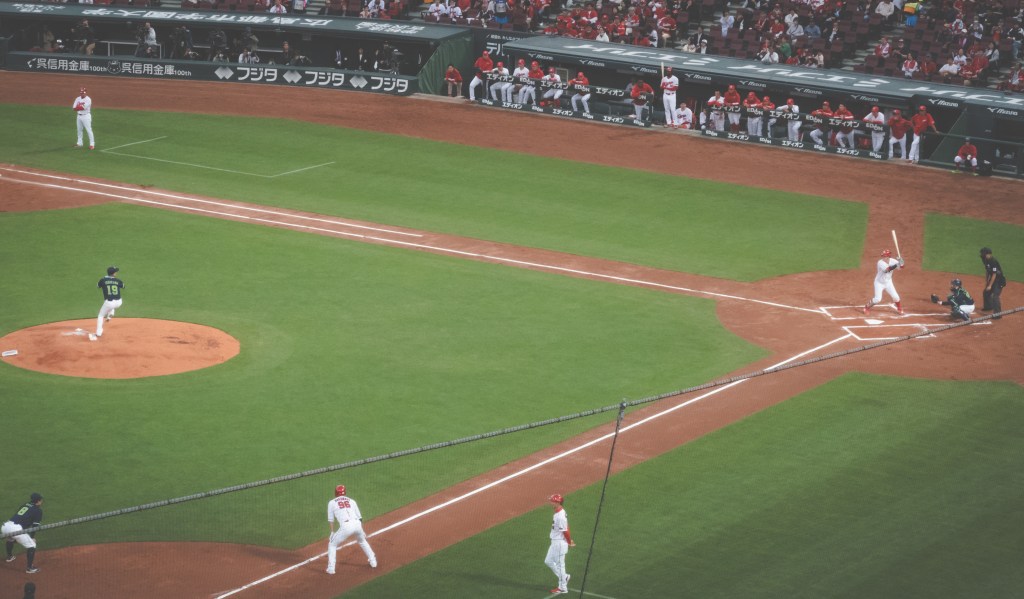
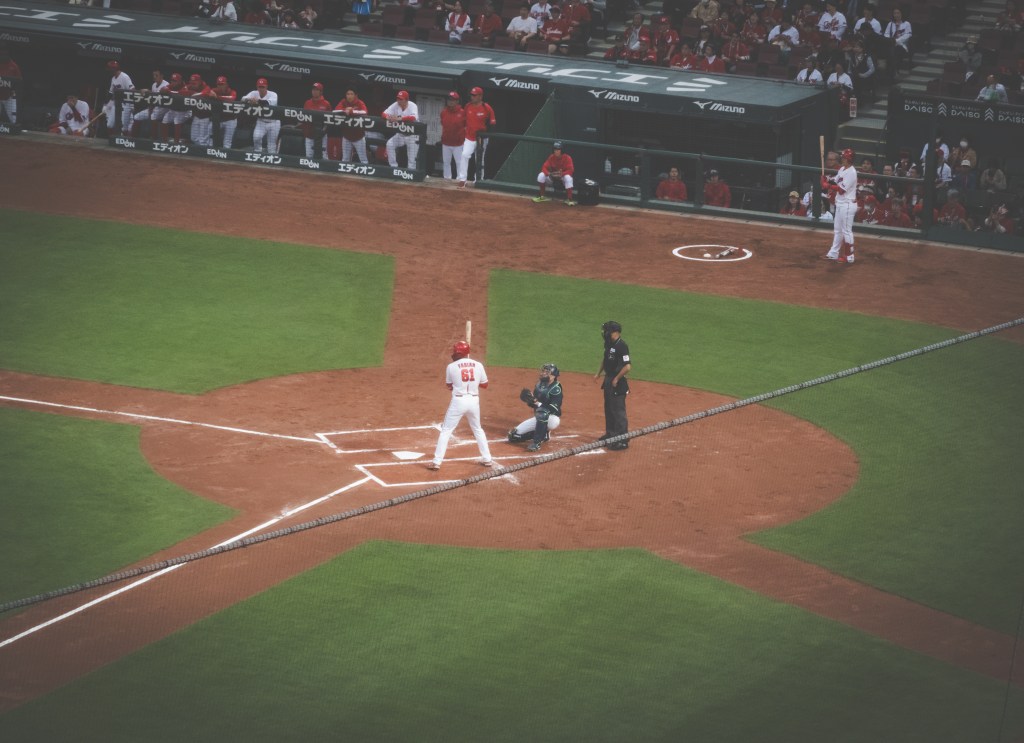
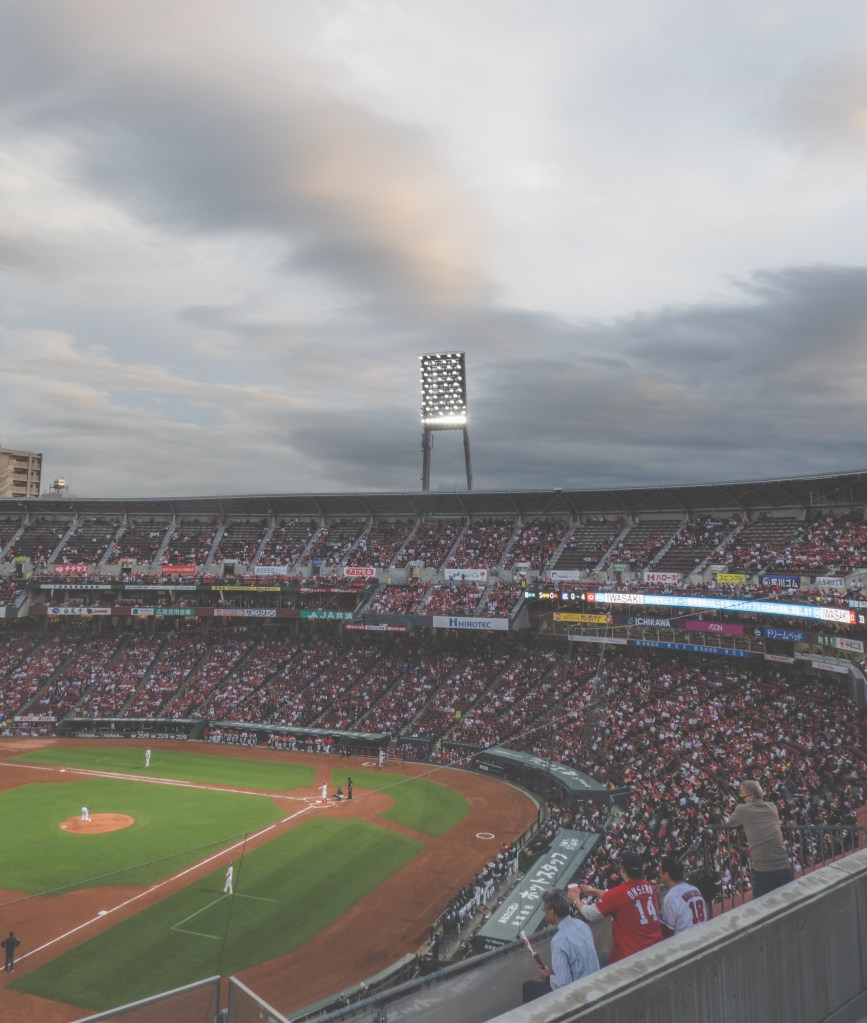
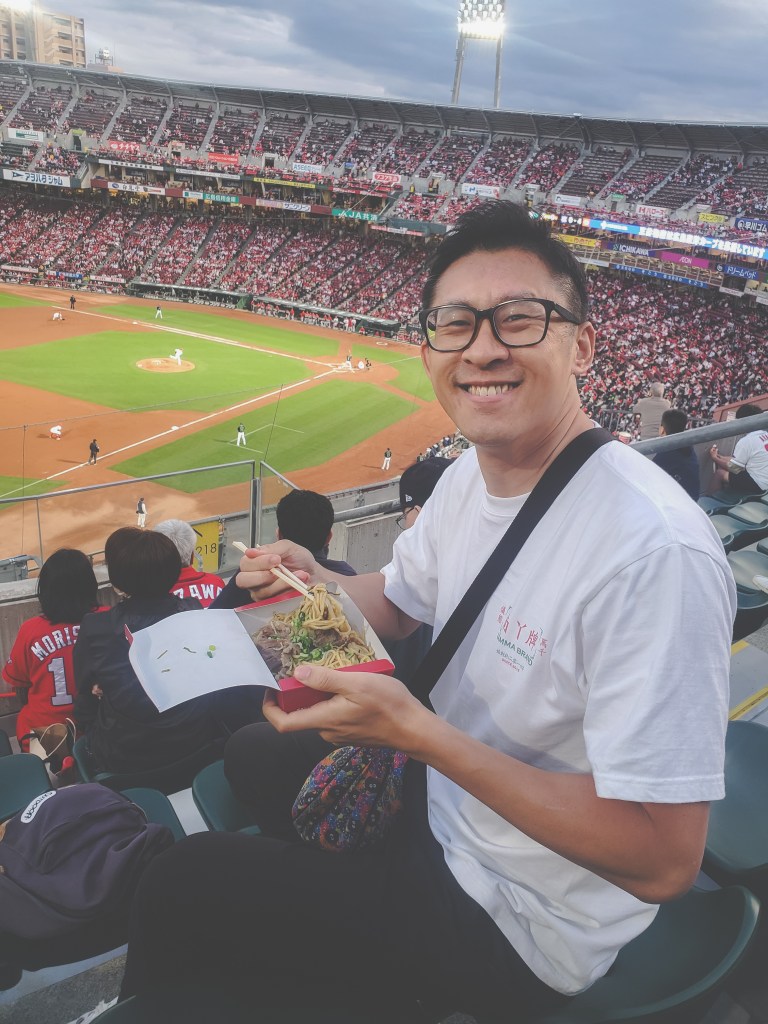
Let’s go Hiroshima Toyo Carp!
In addition to the Hiroshima Peace Memorial Park, another sign of the city’s post-war revival was the establishment of its local professional baseball team. The Hiroshima Carp, now the Hiroshima Toyo Carp, joined the Central League in 1949, but it experienced a prolonged period of financial difficulty right from the get-go, and it wasn’t until 1960 that it finished the season with a winning record.
The Carp peaked in the 1970s and 1980s, winning six Central League titles between 1975 and 1991 and three Japan Series in 1979, 1980, and 1984. It would be another 25 years before it tasted any success again, winning three straight Central League pennants between 2016 and 2018. Since then it’s been fairly mediocre times for the fish, thought it did gain a surprising second place finish in 2023.
I knew none of this going into the Hiroshima holiday, only that it had been a long-held dream of mine to attend a baseball game in Japan. Baseball was my first sports love, a product of having grown up in Toronto when the Blue Jays were a perennial playoff team in the 1980s and early 1990s, culminating in the back-to-back World Series wins in 1992 and 1993. As any baseball fan knows, while the US is the spiritual home of the sport there are other countries that have adopted it and put their own stamp on it – the Caribbean baseball-playing islands, South Korea, Taiwan, and, most notably, Japan.
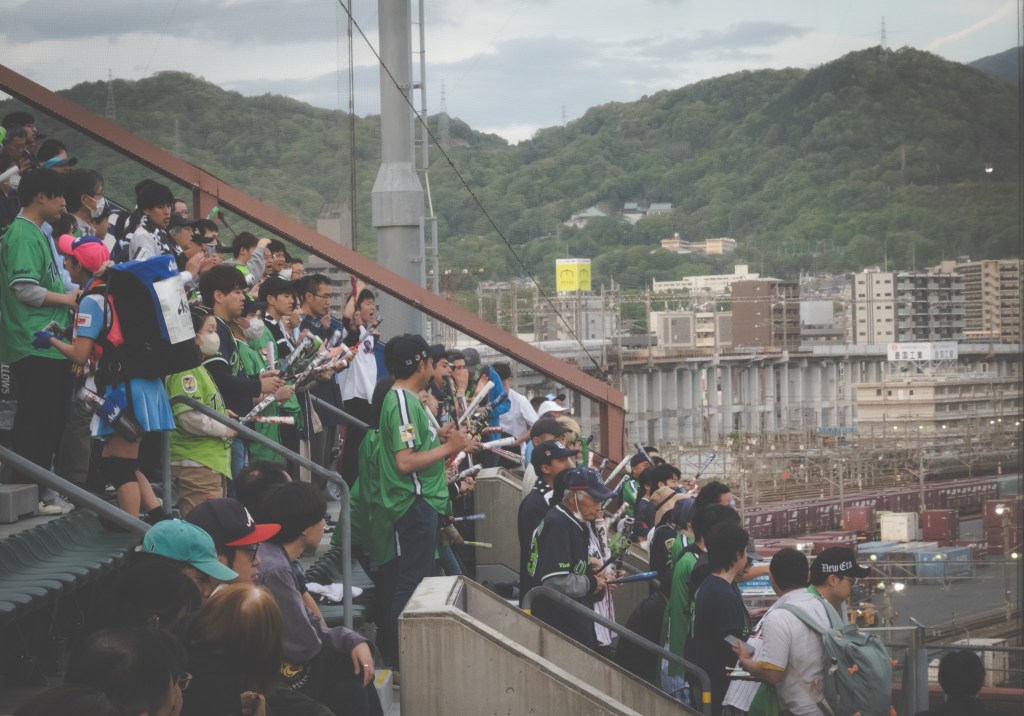
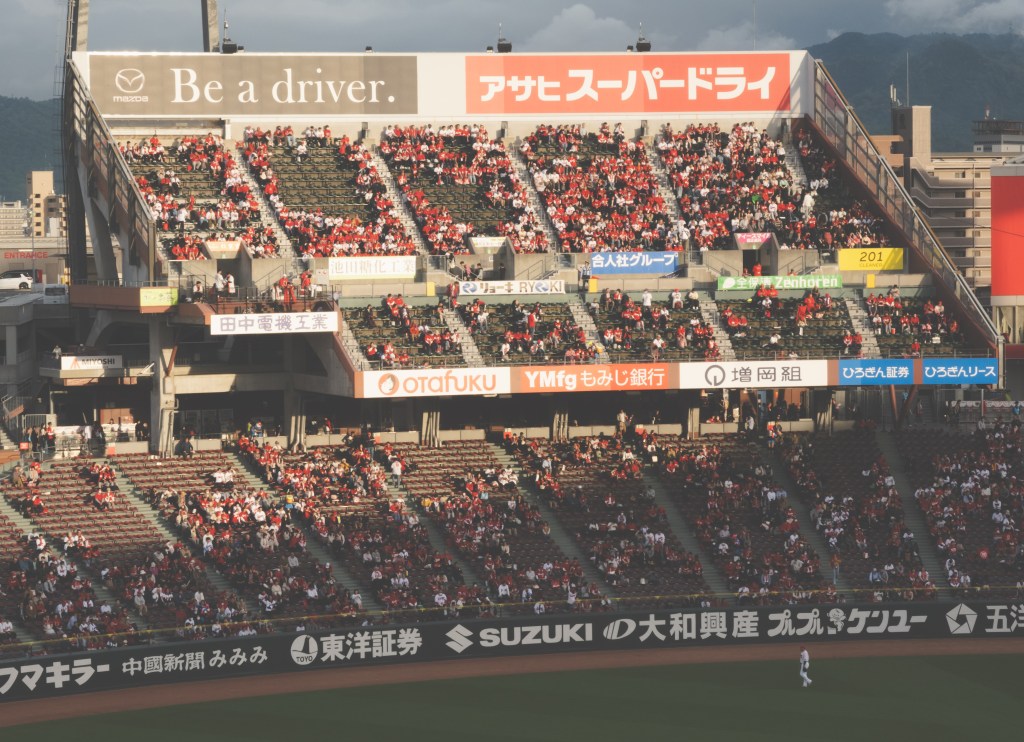
We had watched a live baseball game when we were in Seoul the previous spring, and that was a revelation – the atmosphere and the fan participation was like nothing I had experienced back in North America. I’m not sure what I was expecting in Hiroshima, maybe not something quite as intense as in South Korea but probably more lively than back home, and I think that’s what we got. The more enthusiastic cheering seemed to be limited to a few sections of the stadium, whereas in Seoul it was everybody in the stadium singing and chanting and thundering in unison.
Good times though, and well worth it. I should note that the dream was not just to attend a game, but to also enjoy a Japanese snack while at said game. Mission accomplished!






Out and about
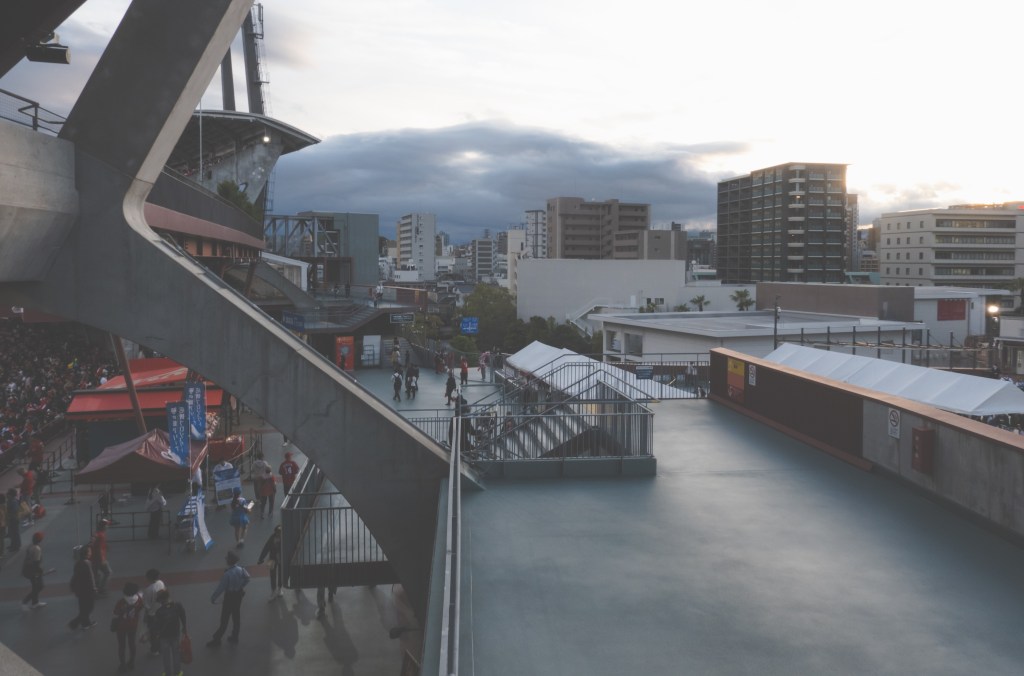
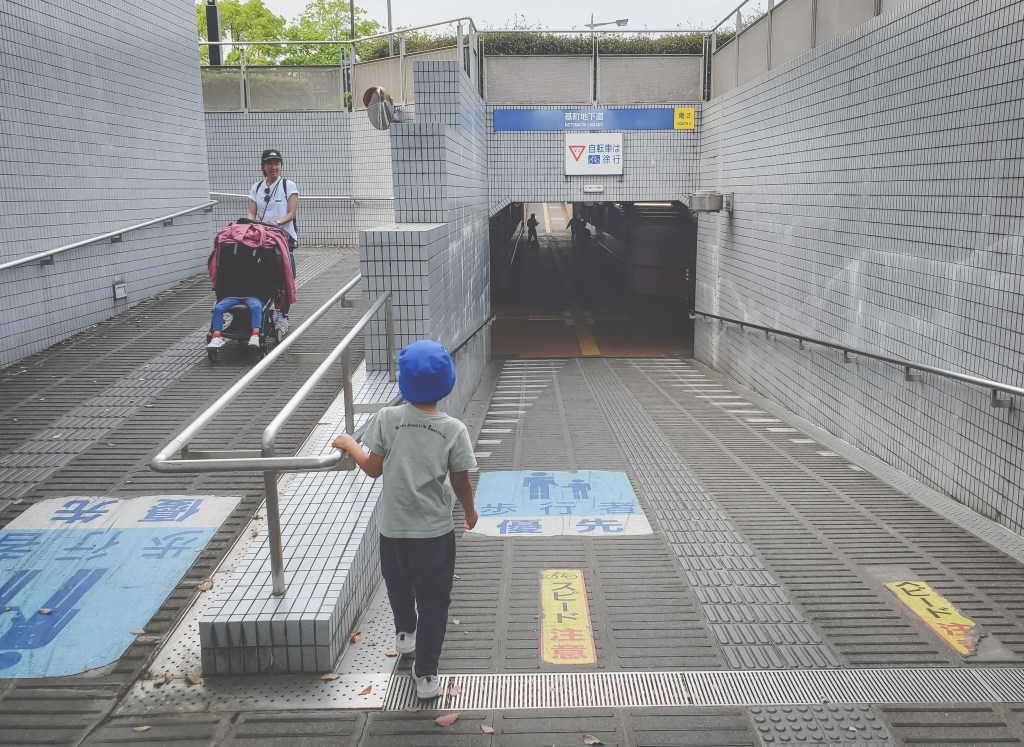
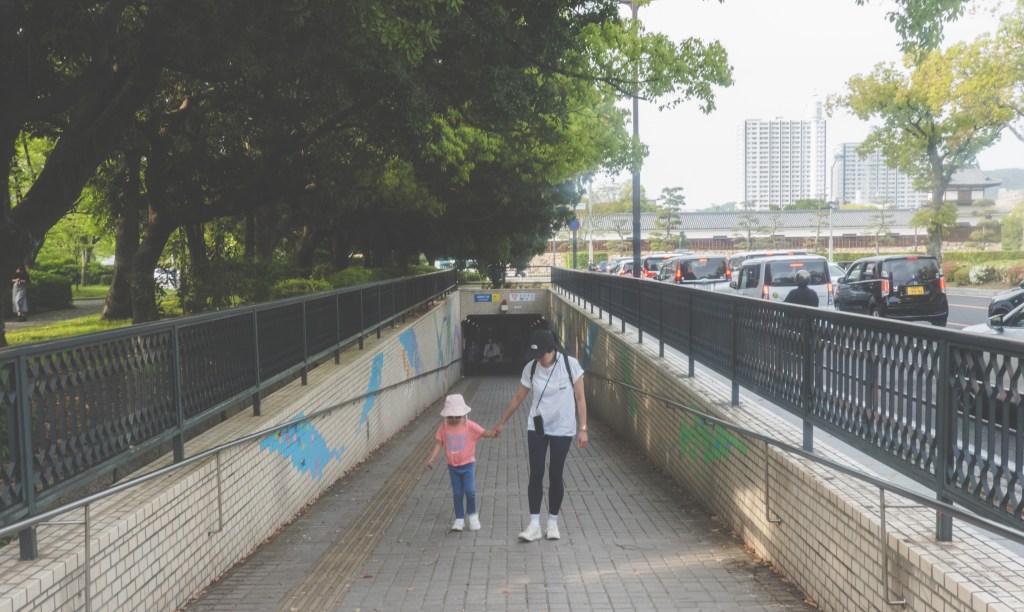
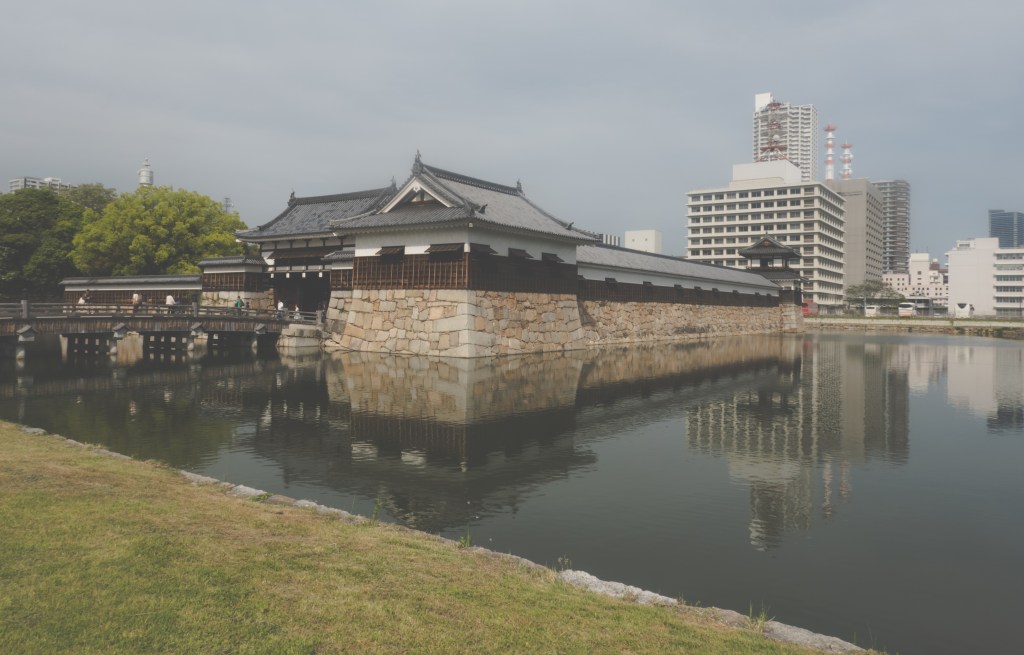
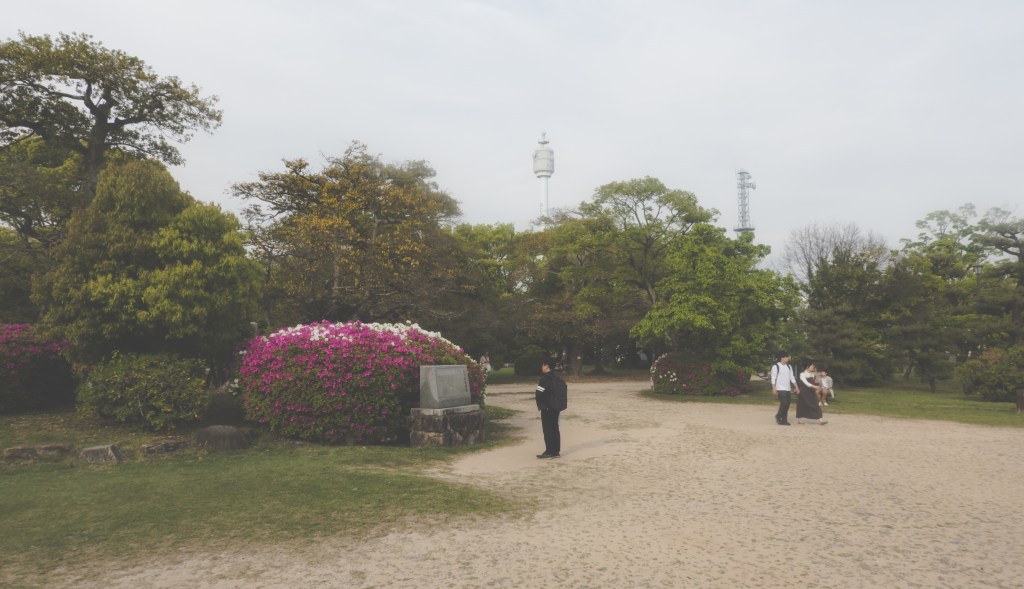
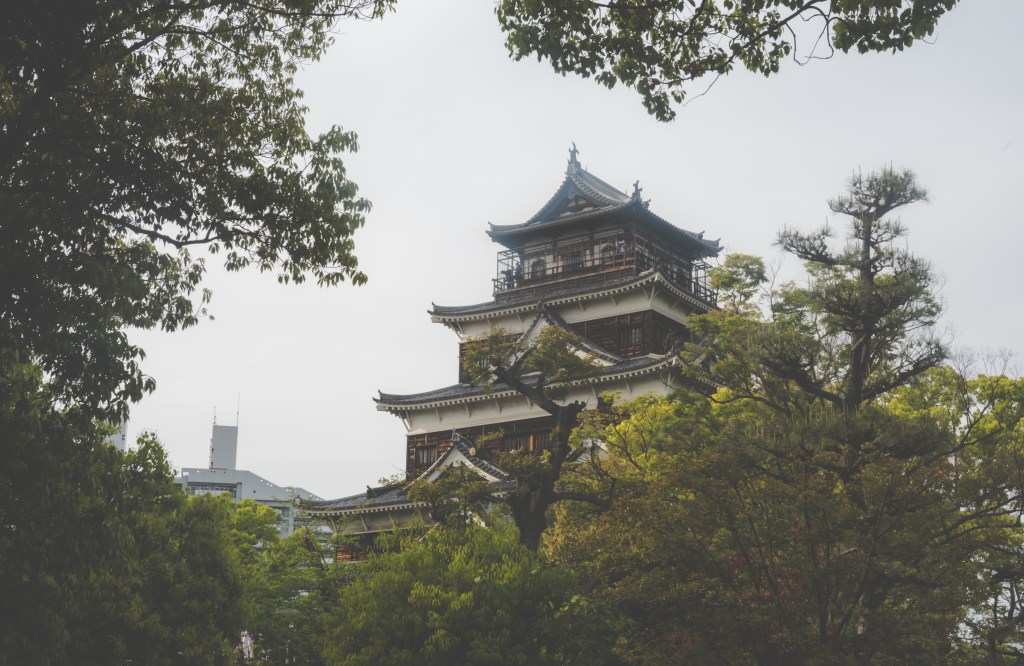
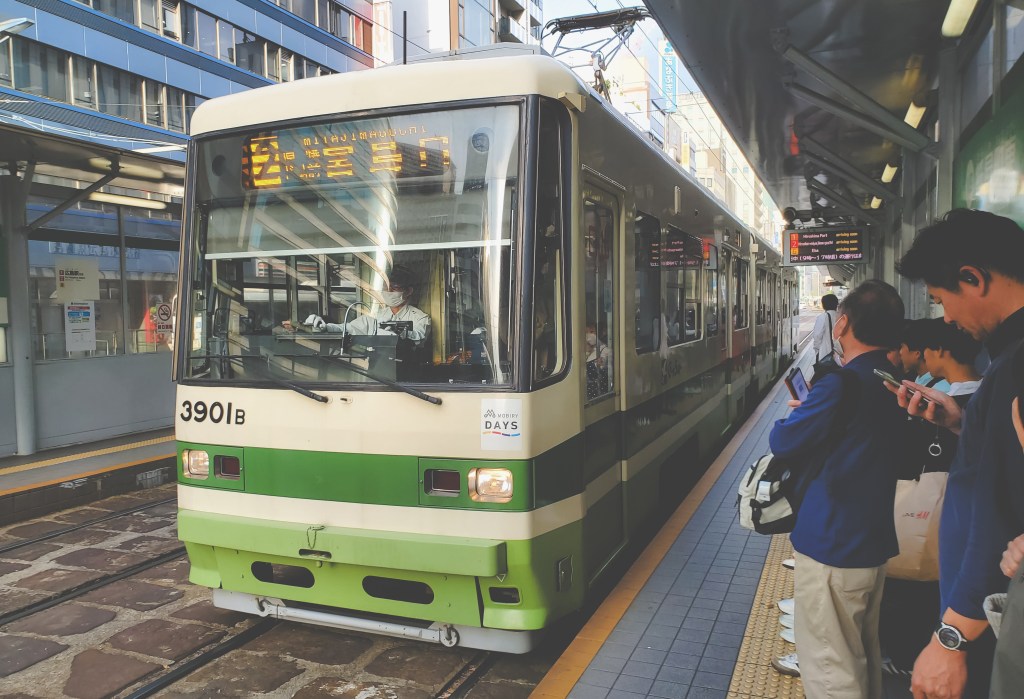
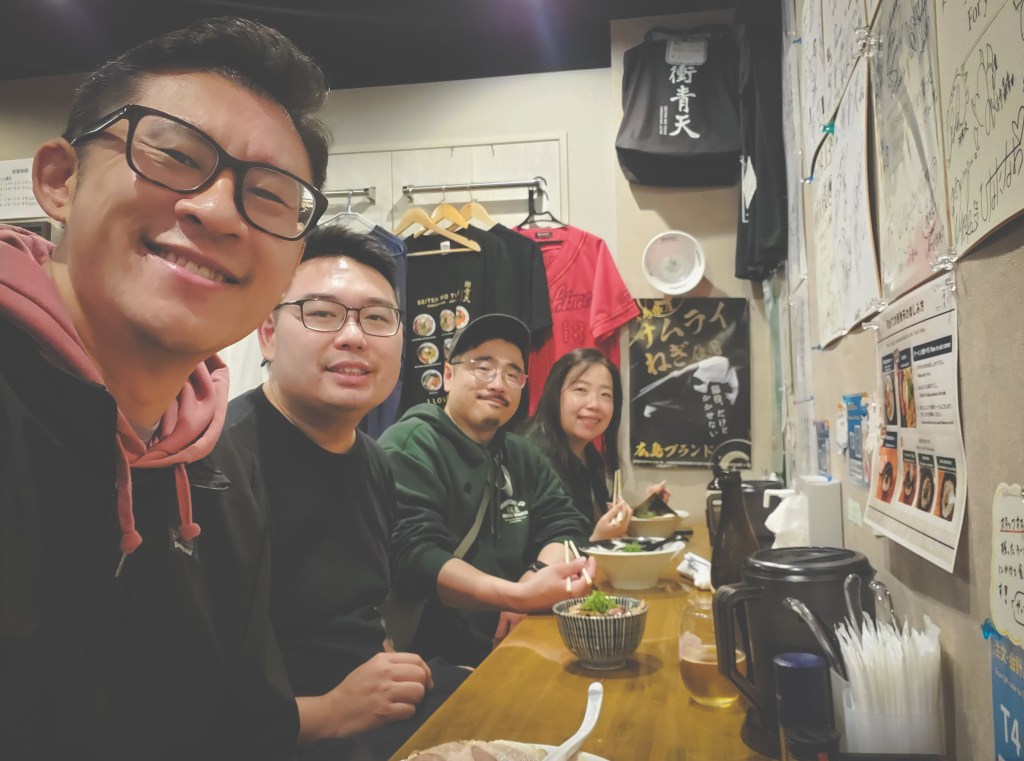
Hiroshima is a beautiful city. We spent the bulk of our time walking around the Naka Ward, between the Hiroshima Peace Memorial Park and the Kyobashi River – so approximately spanning the neighbourhoods of Nishihiratsukacho, Nagarekawacho, Fukuromachi, Hondori, and Kamiyacho. All these little parts of the city blend together into one super cool and trendy collection of cafes, shops, and truly outstanding restaurants – it was like taking a small chunk of chillest Tokyo and transporting it into the lush coastal hills of the Hiroshima countryside. It helped that we were there in April to enjoy the cool spring weather. I’ll always be a big city boy, and Tokyo reigns supreme in my heart, but Hiroshima surprised me in a very good way.










Bygones
Miles is at an age now where we can start having conversations on more complex topics. Discussions about the bomb inevitably lead to conversations about World War 2 and Japan’s role in it, which can get a bit tricky for those of us with Chinese backgrounds. Hong Kong was also under Japanese occupation throughout the wartime years, and there was a sentiment among some family members when I was growing up that Japanese consumer products were to be avoided.
On the other hand, Japan is by far the number one travel destination for Hong Kongers, and it wouldn’t be an exaggeration to say that for many it borders on obsession (one joke in Hong Kong last year after football superstar Lionel Messi controversially skipped an exhibition match in the city only to play in Tokyo the following week was that Messi had proved he was a true Hong Konger i.e. he too preferred to be in Japan). Miles has already been to Japan six times in three years – and it’ll be eight by the end of this year. Some of this is due to the cheap yen making such trips much more affordable than in the past, some of it is due to other people wanting to go to Japan on group trips, but a lot of it is just that he (and I) really like and enjoy being in Japan as well.
In some ways the younger generations, and by that I mean the generations after our parents, have largely left the old regional antagonisms of bygone decades (and centuries) behind us. The Japan of today seems a completely different reality from the old Imperial expansionists of the late 19th/20th centuries, and those of us who came of age in the 90s and 2000s have been immersed in its pop culture machine all our lives – video games, anime, J-pop, etc. Even the humble Hong Kong breakfast owes something to Japan – who hasn’t treated themselves to a classic fried egg and luncheon meat soup noodle and upgraded to the expensive demae iccho (出前一丁) ramen for few extra bucks?
So it was that our group of 10 – five Canadians, two Singaporeans, two Brits, and one American, all with Chinese and most with Hong Kong backgrounds – could walk around a city that was the target of the first atomic bomb attack in history, brought upon by the wartime actions of Japan, including those suffered by our grandparents, and reflect without feeling particularly aggrieved. And Hiroshima is beautiful in spring.

 erniegoes